Medically reviewed by
Controlling type 2 diabetes starts with the right medication at a price you can manage. Metformin is the standard first‑line therapy for lowering blood glucose, but side effects and rising out‑of‑pocket costs lead many people to seek lower‑cost alternatives. This guide explains metformin’s role, when alternatives may be appropriate, and the prescription classes, natural options, price comparisons, and safe online purchasing routes to consider. You’ll get a clear look at how GLP‑1 receptor agonists, SGLT2 inhibitors, DPP‑4 inhibitors, sulfonylureas, thiazolidinediones, insulin, and combination products can achieve similar glycemic benefits. We also review berberine, cinnamon, and inositol as natural options, outline ways to save through international pharmacies and assistance programs, and describe the ordering process at PlanetDrugsDirect.com. Finally, we survey new therapies such as tirzepatide and how generics affect overall costs. By the end, you’ll have a practical roadmap to affordable diabetes care that doesn’t sacrifice quality.
What is Metformin — and Why Consider Affordable Alternatives for Type 2 Diabetes?
Metformin is an oral medication that lowers blood sugar primarily by reducing liver glucose production and improving how muscle and fat cells respond to insulin, typically lowering A1C by up to 1.5 percent. It works in part by activating AMP‑activated protein kinase (AMPK) in liver and muscle, which decreases gluconeogenesis and increases glucose uptake. While metformin is generally low cost, some patients have persistent gastrointestinal complaints or need additional benefits — for example, therapies with proven cardiovascular or weight‑loss effects — which prompts consideration of affordable alternatives.
How Does Metformin Work to Manage Type 2 Diabetes?
Metformin reduces hepatic gluconeogenesis and increases insulin‑mediated glucose uptake in muscle, which lowers fasting blood sugar and helps stabilize overall glucose control. These effects commonly translate into reduced A1C, weight neutrality for many patients, and lower insulin resistance. Knowing this mechanism makes it easier to compare how other therapies complement or replicate those outcomes through different pathways.
What Are Common Side Effects of Metformin?
The most frequent side effects are gastrointestinal—nausea, diarrhea, and abdominal cramping—affecting about 30 percent of users and sometimes leading clinicians to switch to extended‑release forms or alternate agents. Rarely, lactic acidosis can occur in people with significant renal impairment. Awareness of these risks supports informed choices when evaluating lower‑cost metformin substitutes that may offer better tolerability.
When Should Patients Look for Metformin Alternatives?
Consider alternatives when digestive side effects are intolerable, blood‑sugar targets aren’t maintained, or coexisting conditions (like heart or kidney disease) require medications with cardiovascular or renal benefits. Cost pressures—when out‑of‑pocket expenses are unaffordable despite generic availability—also justify exploring lower‑cost options.
Which Prescription Drug Classes Offer Affordable Metformin Alternatives?
Several prescription classes provide similar glucose‑lowering effects and bring additional advantages for weight, heart, or kidney protection. These include GLP‑1 receptor agonists, SGLT2 inhibitors, DPP‑4 inhibitors, sulfonylureas, thiazolidinediones, insulin formulations, and fixed‑dose combinations designed to improve effectiveness and adherence while containing costs.
Medication Class | How It Works | Key Benefit | Cost Notes |
GLP‑1 Receptor Agonists | Enhance insulin release and slow gastric emptying | Lower A1C and promote weight loss | Brand options can be expensive; generics expected around 2025 |
SGLT2 Inhibitors | Block renal glucose reabsorption | Cardiorenal protection plus glucose lowering | Moderate list prices; international sourcing can cut costs up to ~60% |
DPP‑4 Inhibitors | Extend incretin hormone activity | Modest A1C reductions with good tolerability | Generic options available at lower monthly cost |
Sulfonylureas & TZDs | Boost insulin secretion; improve insulin sensitivity | Effective A1C lowering and insulin sensitization | Very low generic prices; monitor for hypoglycemia and weight or fluid gain |
Insulin Therapy | Replace or supplement endogenous insulin | Powerful glucose control | Wide price range; biosimilars offer meaningful savings |
Combination Medications | Combine complementary mechanisms | Simpler regimens and added synergy | Bundled pricing often lowers per‑pill cost |
Each drug class targets blood sugar in a distinct way and can be matched to individual goals—whether that’s weight loss, heart or kidney protection, or simply lowering medication costs. Reviewing these differences helps guide cost‑conscious treatment choices and conversations with your clinician.
What Are GLP‑1 Receptor Agonists and Their Benefits for Diabetes?
GLP‑1 receptor agonists act like the incretin hormone to boost insulin release, suppress glucagon, and slow gastric emptying. They typically reduce A1C by about 1.0–1.5 percent and often support weight loss. Drugs such as semaglutide and liraglutide also show cardiovascular benefit by lowering major adverse cardiac events. As generics become available, monthly costs can fall substantially—often from roughly $800 to about $200 through international pharmacies and assistance programs.
How Do SGLT2 Inhibitors Help Manage Diabetes and Protect Heart and Kidneys?
SGLT2 inhibitors reduce renal glucose reabsorption, increase urinary glucose excretion, and lower blood sugar by roughly 0.7–1.0 percent. Beyond glycemic control, they reduce heart‑failure hospitalizations and slow the progression of chronic kidney disease. Trials of empagliflozin and dapagliflozin report up to ~40 percent relative risk reduction for certain cardiovascular outcomes. International sourcing can reduce typical monthly costs from about $550 to near $220 while maintaining quality and safety.
Evidence increasingly shows that SGLT2 inhibitors provide benefits beyond glucose lowering, especially for kidney and heart protection.
SGLT2 Inhibitors: Renal Protection and Diabetes Management Benefits Multiple randomized trials and real‑world studies—mostly in people with type 2 diabetes—have shown that SGLT2 inhibitors can slow decline in glomerular filtration rate (GFR), reduce new‑onset microalbuminuria, and slow or reverse progression of proteinuria. These findings support renal protection with SGLT2 inhibitors in both acute and chronic kidney disease contexts. Renal protection with SGLT2 inhibitors: effects in acute and chronic kidney disease, 2022
What Role Do DPP‑4 Inhibitors Play as Metformin Substitutes?
DPP‑4 inhibitors prevent breakdown of GLP‑1 and GIP incretins, producing modest A1C reductions of about 0.5–0.8 percent with low hypoglycemia risk. Oral agents like sitagliptin and linagliptin are options for patients who cannot tolerate metformin; generic versions can cost as little as $40 per month. Their neutral effect on weight and favorable safety make them appropriate for older adults and people with gastrointestinal sensitivity.
How Do Sulfonylureas and Thiazolidinediones Compare as Affordable Options?
Sulfonylureas increase pancreatic insulin release and often lower A1C by 1.0–1.5 percent, while thiazolidinediones improve insulin sensitivity through PPARγ activation with similar A1C effects. Both classes are available generically for under $10 a month, but sulfonylureas raise hypoglycemia risk and TZDs can cause fluid retention. Careful monitoring and dose adjustment help maintain safety while keeping costs low.
When Is Insulin Therapy Considered a Metformin Alternative?
Insulin provides exogenous hormone to control high blood sugar when oral agents are inadequate, typically lowering A1C by 1.5–2.5 percent. Long‑acting basal analogs and premixed options offer reliable coverage, and biosimilar insulins can reduce monthly costs from about $300 to $75. Despite injection requirements and price variability, insulin remains the most potent tool for advanced diabetes management.
What Are Combination Medications and Their Advantages?
Combination products pair two complementary mechanisms—such as metformin plus a DPP‑4 inhibitor or an SGLT2 inhibitor—to simplify dosing and boost effect, often achieving A1C reductions of 1.2–2.0 percent. Fixed‑dose combos reduce pill burden, support adherence, and frequently offer per‑pill cost savings compared with separate prescriptions.
How Do Costs Compare Among Metformin Alternatives — and Where to Find Affordable Options?
Comparing brand and generic pricing for diabetes drugs shows large potential savings. International pharmacies and patient assistance programs can further lower out‑of‑pocket costs. Understanding these differences empowers patients to secure effective treatments at more manageable prices.
Therapy Option | US Monthly Cost (Approx.) | International Price Range | Estimated Savings |
Generic Metformin 500 mg (90 tabs) | $4–$10 | $1–$3 | Up to 75% |
Semaglutide (Ozempic) 1 mg pens | $800–$850 | $180–$250 | Up to 70% |
Dapagliflozin (Farxiga) 10 mg | $550–$600 | $200–$240 | Up to 60% |
Sitagliptin (Januvia) 100 mg | $450–$500 | $35–$50 | Up to 90% |
What Are the Price Differences Between Brand‑Name and Generic Diabetes Medications?
Brand‑name diabetes drugs often carry list prices hundreds of dollars higher than equivalent generics, which in many cases cost $10 or less per month. When patents expire, generic competition typically drives prices down dramatically—sometimes by 90 percent or more—allowing patients to access therapeutically equivalent therapies at a fraction of the cost under medical supervision.
How Can International Pharmacies Lower the Cost of Diabetes Drugs?
International pharmacies source medications where prices are lower and distribute approved generics and brands at reduced rates. Through PlanetDrugsDirect.com’s network of licensed Canadian and European dispensaries, patients can access FDA‑approved generics and brand‑name products at 60–90 percent lower prices, with transparent pricing and professional dispensing practices to protect safety and authenticity.
What Patient Assistance Programs Help Reduce Diabetes Medication Costs?
Manufacturer co‑pay coupons that cap out‑of‑pocket expenses for eligible patients.
Charitable foundations offering grants to help uninsured or underinsured individuals.
State pharmacy assistance programs that subsidize insulin and oral agents for qualifying seniors.
What Tips Help Save Money on Diabetes Prescriptions?
Compare generic equivalents to brand options before filling a prescription.
Enroll in mail‑order or 90‑day supply programs, which often lower per‑pill cost.
Use manufacturer coupons and prescription discount cards when available.
Talk with your healthcare provider about lower‑cost regimens and therapeutic substitutions.
Check insurance formularies for tier placements and prior authorization requirements.
Are There Natural Substitutes for Metformin? What Does the Evidence Say?
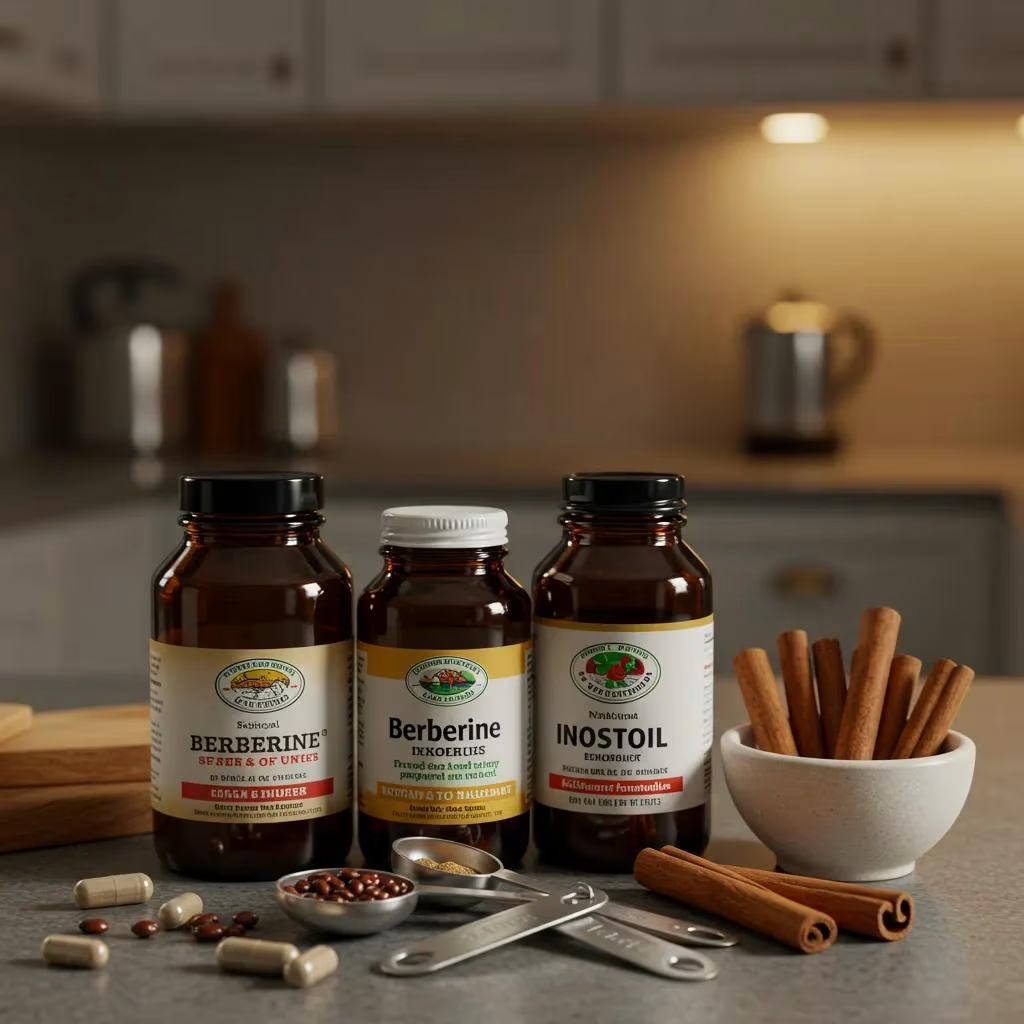
Several natural compounds—most notably berberine, cinnamon, and inositol—have shown glucose‑lowering effects and may be used as complementary therapies. Some studies suggest effects comparable to metformin in specific outcomes, but variability in purity and dosing means medical supervision is essential to ensure safety and to avoid interactions with prescription drugs.
How Effective Is Berberine Compared to Metformin for Blood Sugar Control?
Berberine, an alkaloid found in plants such as goldenseal, appears to activate AMPK similarly to metformin, improving insulin sensitivity and lowering hepatic glucose output. Clinical studies report fasting glucose reductions of roughly 20–30 percent and A1C decreases up to about 1.0 percent. Because supplement quality and dosing can vary, physician guidance is important to approximate pharmaceutical standards safely.
Meta‑analyses of randomized trials indicate berberine can meaningfully improve glucose control in people with type 2 diabetes.
Berberine's Effect on Blood Glucose in Type 2 Diabetes: A Meta‑Analysis A systematic review and meta‑analysis of randomized controlled trials (2,313 patients across 28 studies) found that berberine significantly reduced fasting plasma glucose (WMD = –0.54 mmol/L, 95% CI: –0.77 to –0.30), postprandial plasma glucose (WMD = –0.94 mmol/L, 95% CI: –1.27 to –0.61), and HbA1c (WMD = –0.54 mmol/L, 95% CI: –0.93 to –0.15) versus control groups. Effects of berberine on blood glucose in patients with type 2 diabetes mellitus: a systematic literature review and a meta‑analysis, R Chen, 2019
What Are the Benefits and Risks of Cinnamon and Inositol for Diabetes?
Cinnamon can enhance insulin receptor signaling and has been associated with fasting glucose reductions of roughly 10–20 percent, while inositol may improve insulin sensitivity by affecting cellular signaling pathways. Both supplements have generally low side‑effect profiles but lack standardized dosing and can interact with prescription hypoglycemic agents. Quality control and clinical oversight are important when using these products alongside medications.
Why Should You Consult Your Doctor Before Using Natural Alternatives?
Talk with your healthcare provider before starting berberine, cinnamon, or inositol to confirm safety, avoid herb‑drug interactions, and adjust prescription dosing as needed. Professional oversight ensures natural alternatives support—rather than disrupt—your overall glucose management plan.
How Can You Safely Buy Affordable Diabetes Medications Online?
Ordering from licensed international pharmacies can offer convenience and major savings when proper verification, prescription submission, and quality checks are followed. PlanetDrugsDirect.com streamlines the process by working with accredited partners, secure systems, and transparent communication to keep safety and authenticity front and center.
What Is the Online Ordering Process for Diabetes Medications at PlanetDrugsDirect.com?
Begin by submitting a valid prescription and completing a brief health questionnaire. Licensed pharmacists review the prescription, confirm dosing, and verify eligibility. Orders are then filled through accredited international dispensaries, ensuring each shipment contains genuine, approved generics or brand‑name medications at reduced prices.
How Are Quality and Safety Ensured When Ordering International Diabetes Drugs?
PlanetDrugsDirect.com partners with pharmacies regulated by national health authorities; these partners perform batch testing, follow proper storage protocols, and employ licensed pharmacists. Medications come from facilities that meet Good Manufacturing Practice (GMP) standards, and shipments undergo inspection before dispatch to preserve efficacy and purity.
What Are Typical Shipping Times and Customer Support Options?
Standard shipping from Canadian or European pharmacies typically takes 10–21 days, with expedited options available in 5–10 days. Dedicated customer support teams provide order tracking, dosage verification, and multilingual assistance to help keep deliveries on schedule and answer clinical or logistical questions.
What Are the Latest Trends and Innovations in Affordable Diabetes Medications?
Advances in dual‑agonist therapies, the arrival of generic GLP‑1 formulations, and expanded biosimilar insulin production are changing both affordability and outcomes in diabetes care. Staying informed about these shifts helps patients and clinicians anticipate future cost and efficacy improvements.
How Are New Drugs Like Tirzepatide (Mounjaro) Changing Diabetes Management?
Tirzepatide, a dual GIP and GLP‑1 receptor agonist, has shown A1C reductions up to about 2.4 percent and substantial weight loss in trials. As similar dual‑agonist therapies reach the market and competition increases, pricing models and patent expirations could broaden access to next‑generation metabolic control.
What Is the Impact of Generic GLP‑1 Agonists on Medication Affordability?
Generic versions of some GLP‑1 agents (for example, exenatide and liraglutide) are appearing in international markets, with reported price drops exceeding 70 percent versus branded products. Greater generic availability can expand access to GLP‑1 benefits—weight management and cardiovascular protection—at a much lower cost.
How Do Diabetes Medication Costs Affect Overall Healthcare Spending in the US?
Diabetes care represents roughly one‑quarter of total US healthcare spending, and medications account for about $57.6 billion annually. High prices for insulin and branded agents pressure household and system budgets, which drives interest in generics and international sourcing. Lower drug costs can reduce hospitalizations and complications, producing meaningful system‑wide savings.
Managing type 2 diabetes well requires balancing efficacy, safety, and affordability. By reviewing prescription classes, vetted natural alternatives, cost‑reduction strategies, and secure online ordering, patients can find effective ways to control blood sugar without undue financial strain. PlanetDrugsDirect.com’s network of accredited pharmacies and available assistance resources supports safe, high‑quality access tailored to individual needs. With this information, you can make informed choices and identify the most cost‑effective path to long‑term diabetes care.
Rely on PlanetDrugsDirect.com to Buy Online Prescription Metformin
As a trusted prescription referral service, we offer important benefits whenever you order online. Each of our partner pharmacies and/or government-approved dispensaries is committed to providing the best experience possible of any online prescription referral service on the internet. We offer:
Low prices
Quick turn-around times
Generic and brand-name medications
Unparalleled customer service
Sources
Flory, J., Ancker, J. S., Kim, S. Y. H., Kuperman, G. J., Petrov, A., & Vickers, A. J. (2024). Large Language Model GPT-4 Compared to Endocrinologist Responses on Initial Choice of Glucose-Lowering Medication Under Conditions of Clinical Uncertainty. Diabetes Care, 48(2), 185–192. https://diabetesjournals.org/care/article-abstract/48/2/185/157187/Large-Language-Model-GPT-4-Compared-to?redirectedFrom=fulltext
MacDonald, B. J., McCormack, J., & Turgeon, R. D. (2024). Approche de la décision partagée concernant la prise en charge du diabète de type 2. Canadian Family Physician, 70(5), 316–321. https://www.cfp.ca/content/70/5/316
Larger, É. (2021). Un analogue du glucagon-like peptide 1 (GLP1) administré par voie orale. Médecine/Sciences, 37(1), 53–58. https://www.medecinesciences.org/en/articles/medsci/full_html/2021/01/msc200331/msc200331.html
Related Articles

Oral Semaglutide (Rybelsus): A Practical Guide to Dosage, Benefits, and Safety
Oral semaglutide marks a major step forward for GLP-1 therapy, bringing a once-injectable option into a daily pill that many people with type 2 diabetes and weight concerns...

Affordable Alternatives to Metformin: Practical Ways to Cut Your Diabetes Medication Costs
If metformin isn’t the best fit—because of cost, side effects, or limited glucose control—there are lower-cost alternatives that work through...

All Ozempic Alternatives for Weight Loss (Guide)
The most common alternatives to Ozempic include Wegovy, Rybelsus, Saxenda, Mounjaro, Trulicity, and Metformin. Each of these alternatives can be broken down into a number of categories that can help you...