Medically reviewed by
Managing weight while taking Ozempic can feel complicated. Research shows that these medications change digestion and the way your body handles macronutrients, so nutrition advice should be tailored for people on GLP‑1 therapies. Studies stress the role of thoughtful meal choices—especially focusing on complex carbohydrates—to support blood sugar control and make the medicine work better. In practice, strategic meal planning that accounts for Ozempic’s effects on appetite and digestion is often the difference between modest and meaningful results.
Ozempic is prescribed mainly for type 2 diabetes, but many people also use it to lose weight. Knowing how to manage calories while on Ozempic helps you get the most benefit. Below we cover recommended calorie ranges, foods to favor, what to limit, and practical meal planning tips. Used alongside sensible eating habits, Ozempic can be a helpful tool for people working toward sustainable weight loss.
Ozempic Nutrition: Tailored Guidelines for Weight Management This review offers a practical, evidence-based framework for dietitians advising patients on GLP‑1 receptor agonists like Ozempic and Wegovy. These drugs are effective for weight loss but bring unique dietary considerations that deserve specific guidance. The review explains how GLP‑1 medications change digestive processes and affect the absorption and metabolism of key macronutrients, including protein and fiber. It also highlights hydration needs to support health and weight loss while on GLP‑1 therapy, and provides introductory recommendations for adjusting energy intake. Nutrition Recommendations for Patients on Weight Loss Drugs, 2024
What Are the Recommended Calorie Guidelines While Taking Ozempic?
Keeping calories balanced is an important part of weight management with Ozempic. Recommended daily intake depends on your age, sex, activity level, and goals. In general, losing weight requires a caloric deficit—eating fewer calories than you burn. The sections below explain why calorie control matters and offer practical guidance for tailoring intake while using Ozempic.
How Does Caloric Intake Influence Weight Loss on Ozempic?
Calories still matter when you’re taking Ozempic. A calorie deficit encourages your body to use stored fat for energy, and Ozempic can help by reducing appetite and improving insulin sensitivity—both of which make it easier to stick with a lower‑calorie plan. Understanding how calories and the medication interact can help you set realistic expectations and improve outcomes.
What Is the Ideal Daily Calorie Range for Ozempic Users?
As a general guideline, many people find a daily calorie range of about 1,500 to 2,000 calories works while using Ozempic, though individual needs vary. If you’re very active or have higher energy needs, you may aim toward the higher end of that range. Work with your healthcare team to personalize your target based on your health, weight‑loss goals, and activity level.
Which Foods Should You Eat While Taking Ozempic?
Choosing nutrient‑dense foods helps you feel full, supports blood sugar control, and supplies essential nutrients while reducing overall calories. Below are foods that pair well with Ozempic’s effects.
What Are the Best Nutrient-Rich Foods to Support Ozempic's Effects?
High‑Fiber Foods: Vegetables, fruits, and whole grains increase fullness and help stabilize blood sugar.
Lean Proteins: Chicken, fish, beans, and lentils preserve muscle and curb hunger between meals.
Healthy Fats: Avocados, nuts, and olive oil provide lasting energy and help absorb fat‑soluble nutrients.
How Can Balanced Macronutrients Enhance Weight Loss on Ozempic?
Complex Carbohydrates: Whole grains and legumes deliver steady energy and fewer blood sugar spikes.
Adequate Protein: Protein supports muscle and keeps you satisfied longer.
Healthy Fats: Include moderate amounts to aid nutrient absorption and support satiety.
Balanced Meal Planning for Ozempic Therapy Ozempic can be a powerful part of diabetes care, but it’s most effective when paired with a balanced meal plan. Carbohydrates have the biggest impact on blood glucose, so prioritize low‑glycemic, complex sources—whole grains, legumes, and non‑starchy vegetables—that release glucose more slowly. Thoughtful meal composition helps maintain steady glucose and reduces unwanted side effects. Creating a Balanced Meal Plan to Complement Ozempic Therapy
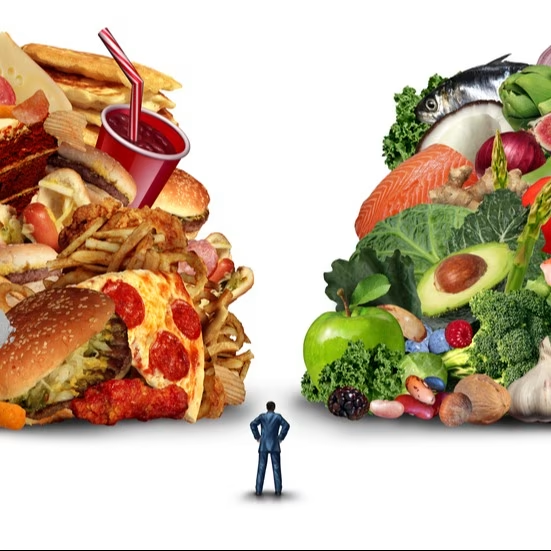
What Foods and Diet Restrictions Should Ozempic Users Follow?
Some foods support Ozempic’s aims, while others can undermine progress or trigger side effects. Knowing which foods to limit helps you stay comfortable and on track.
Which Foods Should Be Avoided to Prevent Side Effects?
High‑Sugar Foods: Candy, sugary drinks, and other sweets can spike blood sugar and increase cravings.
Processed Foods: Often high in added sugars, unhealthy fats, and calories—these can slow progress.
Fried Foods: Typically calorie‑dense and harder to digest, making them less compatible with weight‑loss goals.
How Do Ozempic Diet Restrictions Support Appetite Suppression?
Choosing fiber‑ and protein‑rich foods helps you feel full longer, which complements Ozempic’s appetite‑reducing effect. Avoiding sugary and highly processed items prevents sharp blood sugar swings that can trigger hunger. Using this approach makes it easier to stick with a lower‑calorie plan while minimizing uncomfortable cravings.
What Are Practical Ozempic Meal Plans and Healthy Eating Tips?
Practical meal plans make calorie control manageable and help you build lasting habits. The tips below focus on portioning, timing, and meal balance.
Strategic Meal Planning for GLP-1 Weight Loss Success Starting a GLP‑1 medication like Ozempic, Wegovy, or Mounjaro is only the first step. These drugs slow gastric emptying, reduce appetite, and improve insulin sensitivity—physiological changes that benefit from intentional meal planning. Planning meals to match those effects can increase comfort, reduce side effects, and improve weight‑loss results. GLP-1 Meal Plan: Complete Diet Guide for Ozempic, Wegovy & Mounjaro Success
How to Structure Meals for Optimal Caloric Control on Ozempic?
Portion Control: Try smaller plates or measured servings to keep portions reasonable and avoid overeating.
Meal Timing: Regular meals and planned snacks help steady hunger and energy across the day.
Balanced Meals: Build each plate with protein, healthy fats, and complex carbs to stay full longer.
What Lifestyle Tips Complement Ozempic for Effective Weight Management?
Beyond food, lifestyle choices matter. Regular physical activity—walking, strength training, or cycling—supports metabolism and preserves muscle. Mindful eating, where you slow down and notice hunger and fullness cues, can reduce overeating. Managing stress and prioritizing sleep also support long‑term success when combined with the medication and dietary changes.If you want to add more movement to your day, learning how many steps are in a mile is an easy place to start.
Frequently Asked Questions
1. How can I manage potential side effects while taking Ozempic?
To reduce side effects, follow your prescriber’s dosing schedule and increase doses only as directed. Smaller, more frequent meals can ease nausea and digestive upset, and staying well hydrated helps. If symptoms persist or worsen, contact your healthcare provider to review your plan or consider alternative approaches.
2. Can I combine Ozempic with other diabetes medications?
Yes—Ozempic can be used with other diabetes medicines, but only under medical supervision. Combining therapies can improve blood glucose control, yet requires monitoring for interactions and side effects. Your provider will tailor a regimen that fits your overall health and treatment goals.
3. What lifestyle changes should I consider while on Ozempic?
Pair Ozempic with regular activity—aim for about 150 minutes of moderate exercise weekly—and mindful eating habits. Stress management techniques like yoga or meditation and consistent sleep patterns also help support weight loss and overall wellbeing.
4. How does Ozempic affect my metabolism?
Ozempic improves insulin sensitivity and slows gastric emptying, which helps you feel full longer and can reduce calorie intake. It also promotes the use of stored fat for energy. Knowing these effects helps you choose foods and meal patterns that work with the medication.
5. Are there specific foods that can enhance the effectiveness of Ozempic?
Foods high in fiber, lean proteins, and healthy fats support satiety and steady blood sugar, which complements Ozempic’s effects. Vegetables, whole grains, beans, lean meats, fish, avocados, and nuts are good choices.
6. What should I do if I experience severe side effects?
If you have severe symptoms—such as intense abdominal pain or signs of pancreatitis—seek immediate medical care. Report any concerning symptoms to your healthcare provider so they can evaluate you and adjust treatment if needed.
7. How can I track my progress while using Ozempic?
Track weight, blood sugar readings, and how you feel over time. A food diary or tracking app can help you spot patterns and stay accountable. Regular check‑ins with your healthcare team will guide any necessary treatment or dietary adjustments.
Rely on PlanetDrugsDirect.com to Buy Prescription Discount Drugs Online
As a trusted prescription referral service, we offer important benefits whenever you order online. Each of our partner pharmacies and/or government-approved dispensaries is committed to providing the best experience possible of any online prescription referral service on the internet. We offer:
Low prices
Quick turn-around times
Generic and brand-name medications
Unparalleled customer servic
Sources
Moetaz, I., Abumweis, S., Alqadi, S., & Abughoush, M. (2025). The Role of the Dietitian in Weight Management of Adults With Obesity Without Diabetes Using Glucagon Like Peptide‐1 Agonist Receptors: A Systematic Review and Meta‐Analysis of Randomised Controlled Clinical Trials. Clinical Obesity. https://onlinelibrary.wiley.com/doi/10.1111/cob.70030
Babazadeh, D., Wyatt, S., & Steinberg, F. (2025). Examining the Omission of Dietary Quality Data in Glucagon-Like Peptide 1 Clinical Trials: A Scoping Review. Advances in Nutrition, 16(10), 100491. https://www.sciencedirect.com/science/article/pii/S2161831325001279?via%3Dihub
Fornes, A., Huff, J., Pritchard, R., & Godfrey, M. (2022). Once-Weekly Semaglutide for Weight Management: A Clinical Review. Journal of Pharmacy Technology, 38(4), 239-246. https://journals.sagepub.com/doi/10.1177/87551225221092681
Murphy, E. and Finucane, F. (2024). Structured lifestyle modification as an adjunct to obesity pharmacotherapy: there is much to learn. International Journal of Obesity, 49(3), 427-432. https://www.nature.com/articles/s41366-024-01499-2
Wadden, T., Chao, A., Moore, M., Tronieri, J., Gilden, A., Amaro, A., … & Jakicic, J. (2023). The Role of Lifestyle Modification with Second-Generation Anti-obesity Medications: Comparisons, Questions, and Clinical Opportunities. Current Obesity Reports, 12(4), 453-473. https://link.springer.com/article/10.1007/s13679-023-00534-z
Related Articles

Ozempic Dosing For Weight Loss
Ozempic is getting a lot of attention lately because some people are thinking about using it to help them lose weight. In the past, healthcare providers primarily prescribed Ozempic for diabetes. Although Ozempic itself...

Cost of Ozempic Per Month (Facts)
The average cost of a one-monthly supply of Ozempic without insurance is $954 to $1,400. With insurance, the monthly cost can go down to as little as $25. Typically, a one month supply of Ozempic will contain four...

Ozempic and Stomach Pain: Is It Common?
According to the Ozempic (semaglutide) patient medication information pamphlet, stomach pain is a common side effect that impacts 1 in 10 patients who use Ozempic. While stomach pain is common in Ozempic...